About
Keri Waters
Founder · engineer · writer
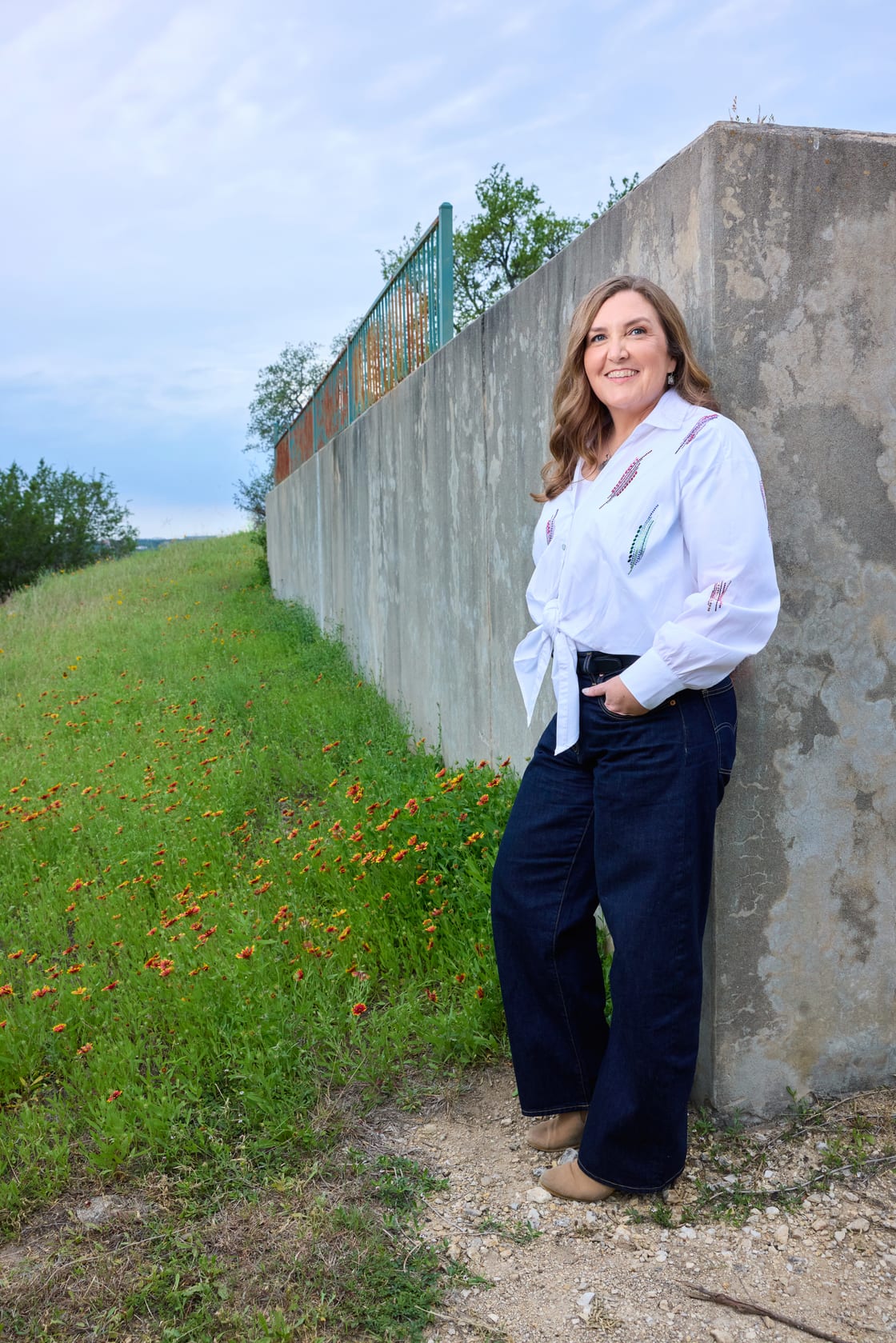
Keri Waters is an engineer, founder, and hardware operator whose career has run through the semiconductor, connected-hardware, water, and energy sectors. She is the author of More Energy, Clean Planet: Cheap Power Will Solve the Climate Crisis Within a Century, which makes the engineering case for why cheap, clean energy is the climate strategy that can actually work at scale.
Waters holds an MBA from UC Berkeley's Haas School of Business and a BS in Mechanical Engineering from MIT. Her career began in 1997 at Silicon Graphics, and over three decades she has built hardware companies, raised multiple rounds of venture and strategic capital, and co-invented patented sensing technology.
Waters founded Buoy Labs, an Internet-of-Things company that built smart sensors for residential water leak detection. The company was conceived as a conservation tool, but its real market turned out to be the insurance industry, a discovery that reshaped how Waters thinks about risk, infrastructure, and the incentive structures that determine what actually gets built. Buoy was acquired by Resideo in 2019, and Waters then led the $320 million water business unit there as Vice President and General Manager. Her companies have partnered with Fortune 500 firms including USAA and Delta Faucet and delivered on federally funded programs with the Office of Naval Research and the Department of Homeland Security.
She later served as founding Chief Innovation Officer at the University of Austin, helping shape a new institution with a national footprint during its early formation. Today she runs Petrichor Labs, a studio for building and advising at the intersection of hardware, energy, and climate, and serves as a Senior Commercialization Advisor to DARPA-funded companies through Capital Factory.
What connects it is a method. Waters works in new product introduction. She spots a trend, builds a worldview a few years ahead where it keeps running, and works out what is missing in that future and who will pay for it. Applied to the data center buildout, she saw that the hyperscalers are accelerating the clean energy transition for reasons that have nothing to do with climate. Because they also have to connect to the grid, there is leverage to steer some of that capital toward the public interest, toward lower household electricity bills and carbon removal colocated on the waste heat and power they would otherwise strand. More Energy, Clean Planet is the case for building products for that future.
Waters writes Engineered Optimism, a monthly dispatch on the energy transition, and speaks about the founder opportunities that open as electricity prices fall below critical thresholds. She lives in Austin, Texas, with her husband and two sons.